

G’day, sweat-conscious mates! If you’ve ever sweltered through a Queensland summer or battled the humidity after a downpour, you know the feeling. That thick, heavy air that feels less like breathing and more like swimming. The kind of humidity that makes you sweat just thinking about going outside. Here in Australia, we’re no strangers to sticky situations, and while our iconic crops might be different, we can certainly empathise with what our American friends are experiencing thanks to the phenomenon known as corn sweat.
Yes, you read that right. While the idea of “corn sweat” might sound a little quirky to us Aussies, it’s a very real phenomenon that significantly impacts the summer weather across the United States. And for those of us, both here and across the Pacific, who deal with excessive sweating, “corn sweat” is a huge factor in our daily discomfort. Because let’s face it, whether it’s the humidity rising off vast cornfields or the tropical air clinging to you like a second skin, the sweaty struggle is real.
What is Corn Sweat, and Why Does It Matter?
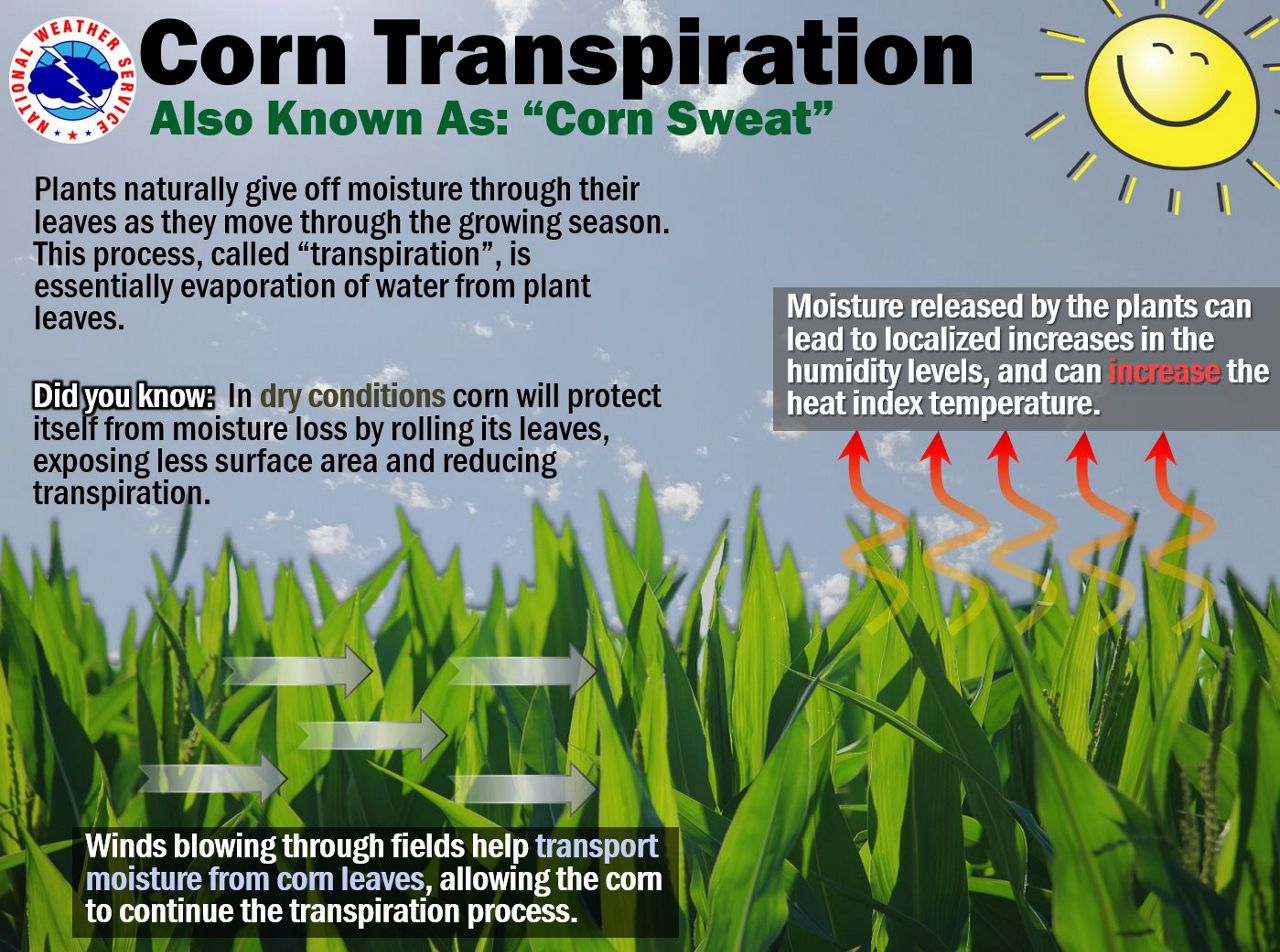
“Corn sweat,” more formally known as evapotranspiration, is the moisture released into the atmosphere by the corn plant itself. A single corn plant can release a surprising amount of water—up to several gallons over the course of a growing season. Now, multiply that by the millions of acres of cornfields that stretch across the heartland of America, and you have a massive, humidifying engine working 24/7.
These corn-heavy states—from Iowa to Illinois, Indiana, and beyond—are often called “the Corn Belt” for a reason. As the corn grows tall and green during the summer months, it acts like a giant natural humidifier. Through evapotranspiration, the water drawn up from the soil is released into the air as vapor. This process happens on such a grand scale that it can significantly increase the humidity for hundreds of miles, creating a humid microclimate that can rival some tropical regions – not unlike some of our muggy Aussie summers! This “corn sweat” is a key contributor to the intense humidity.
For more on the science behind corn sweat, check out these articles:
- Sweaty corn is making it even more humid – Associated Press
- Corn Sweat: What To Know About the Agricultural Impact on Heat Dome – Newsweek
High Humidity + High Temperatures = Peak Sweating Conditions (The Corn Sweat Effect)
For anyone concerned with sweating, the combination of high humidity (exacerbated by corn sweat) and high temperatures is the perfect storm. Sweating is our body’s natural cooling mechanism. When sweat evaporates from our skin, it takes heat with it, helping to lower our core body temperature. But here’s the problem: high humidity, intensified by all that “corn sweat,” slows down that evaporation process.
Think of the air as a sponge. On a day with low humidity, the air is dry and can easily “soak up” the moisture from your skin. Your sweat evaporates quickly, and you feel cool. But on a high-humidity day, like one fueled by corn sweat, the air is already saturated with water vapor. The “sponge” is full. This means your sweat has nowhere to go. It just sits on your skin, making you feel sticky and even hotter, and doing a much less efficient job of cooling you down. The impact of “corn sweat” on humidity directly translates to increased discomfort for us sweaty folks.
This effect is particularly pronounced in the U.S. during the peak of summer. As the corn reaches maturity, the corn sweat phenomenon is at its strongest, creating a perfect environment for a sweaty struggle. The humidity breeds the right conditions for constant perspiration, making daily activities—from walking to the mailbox to just sitting on the couch—a potential source of discomfort, a feeling many of us down here in Australia know all too well during our humid spells, even without the “corn sweat” factor.
How to Beat the Corn Sweat (Aussie Approved Tips!)
While you can’t exactly tell the cornfields to stop sweating, you can take steps to manage the impact of high humidity (the corn sweat effect!) on your body. Here are a few lifestyle tips and health advice to help you stay cool, dry, and comfortable, even when the “corn sweat” is in full swing.
Lifestyle & Clothing
- Embrace Loose Fabrics (Think Aussie Summer Gear!): Wear light-colored, loose-fitting clothes made from breathable materials like cotton, linen, or moisture-wicking athletic fabrics. These materials allow air to circulate and help sweat evaporate more effectively. Consider brands like Bamboo Body or Kathmandu that offer breathable and comfortable options perfect for humid weather.
- Avoid Peak Heat (Like Avoiding the Midday Sun Down Under!): Plan your outdoor activities for the coolest parts of the day—typically early morning or late evening—to avoid the worst of the heat and humidity (and the peak of the “corn sweat” influence).
- Strategic Cooling (Our Tradies Know Best!): Place a cool, damp cloth on your neck, wrists, or forehead. These areas have major blood vessels close to the skin, which helps to cool your body down quickly. Taking a cool shower or bath can also provide immediate relief. For an extra cooling boost, try a cooling towel like those from Frogg Toggs, or keep a facial mist spray handy for a refreshing spritz throughout the day.

Health & Hydration
- Stay Hydrated (Crucial in the Aussie Heat!): Drink plenty of water throughout the day, even if you don’t feel thirsty. High humidity (thanks in part to “corn sweat” in the US) makes you sweat more, and you need to replace those lost fluids to prevent dehydration. Consider carrying a reusable water bottle from brands like Frank Green or Hydro Flask to make staying hydrated easier.

- Watch What You Drink: Avoid or limit alcohol, sugary drinks, and excessive caffeine, as these can dehydrate you and increase sweating.
- Use the Right Products (Our Secret Weapon Against Sweat!): A clinical-strength antiperspirant can be a game-changer. Unlike deodorants that just mask odor, antiperspirants contain aluminum-based compounds that temporarily block sweat glands, reducing the amount of moisture that reaches your skin. Look for brands like Driclor or Perspirex, which are known for their effectiveness against excessive sweating in humid conditions.
So, the next time you feel that heavy, humid air weighing you down in the middle of the country, remember the mighty “corn sweat.” It’s a testament to the powerful, if unseen, ways that the environment around us can directly impact our bodies. Just like those muggy days back home, now you know why your sweat glands might be working overtime—and it’s not just the heat! Stay cool, stay dry, and remember, we’re all in this sweaty boat together, no matter which corner of the globe we call home.


