
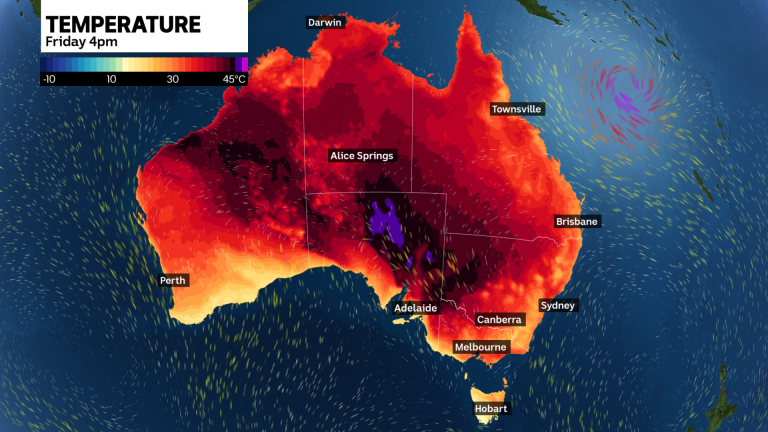
If you haven’t already guessed it, I – the writer of the Sweat-Gear blog – reside down under in the beautiful country of Australia. Pairing its stinking hot summers with my overly active sweat glands was always going to be tricky!
Let’s face it, Aussies, we know sweat. From scorching summers to humid days, we’re practically experts. But global warming is turning up the heat, making our already sweaty reality even more intense. And it’s not just an Aussie problem; it’s a global phenomenon with some serious implications for human perspiration.
The science is undeniable. Globally, temperatures are rising due to increased greenhouse gas concentrations. The IPCC’s Sixth Assessment Report confirms this, highlighting the unequivocal human influence on the climate system. Here in Australia, the CSIRO and Bureau of Meteorology’s State of the Climate 2022 report shows a warming of approximately 1.47°C since 1910, a trend mirrored across the globe. This warming trend directly impacts how much we sweat.
How does it work? It’s a simple equation:
- Global Temperature Rise = More Sweat: As the planet warms, so do we. Our bodies, designed to maintain a stable internal temperature, rely on sweating as the primary cooling mechanism. The hotter it gets, the harder our bodies work, and the more we sweat.
- Humidity Amplifies the Effect: Rising global temperatures are also affecting humidity levels. Increased humidity makes it harder for sweat to evaporate, leaving us feeling sticky and uncomfortable. This forces our bodies to produce even more sweat in a futile attempt to cool down. This effect is particularly pronounced in regions like Australia, where humidity can already be a challenge.
- Extreme Heat Events on the Rise: Globally, and especially in Australia, we’re seeing an increase in the frequency, intensity, and duration of heatwaves. These extreme events push our bodies to their limits, demanding prolonged and excessive sweating, significantly increasing the risk of heat-related illnesses worldwide.
The consequences of this increased sweating go beyond mere discomfort:
- Dehydration: A Global Threat: Prolonged and profuse sweating, whether in Australia or elsewhere, can lead to dehydration, with potentially serious health consequences.
- Skin Irritation: A Common Complaint: Excessive moisture can irritate the skin, causing rashes, chafing, and infections – a problem experienced by people across the globe.
- Heat-Related Illnesses: A Growing Concern: From heat exhaustion to potentially fatal heatstroke, the risks associated with excessive sweating in a warming world are substantial.
So, what can we do? Both adaptation and mitigation are crucial:
- Adaptation Strategies: We need to adapt to the hotter world we’re creating. This includes:
- Hydration: Staying hydrated is vital, regardless of where you live.
- Cool Environments: Seeking out air-conditioned spaces becomes increasingly important worldwide.
- Appropriate Clothing: Light, breathable fabrics are essential for managing sweat in hotter climates globally.
- Effective Antiperspirants: Antiperspirants can offer relief, but their effectiveness can vary.
Global warming is a global challenge that affects us all, including the very real and sweaty experience of being human. Yes, there’s alot we can do individually to help limit the impacts we humans have on the warming planet, but let’s be honest, it will take a hell of a collective effort from mankind to have an effect anytime soon. So, although we can’t really control the moving temperature of the Earth, we can focus on controlling how we accept the sweat we experience from it. That’s what this is all about. Learning to accept what we can’t control in life, so it doesn’t continually bother us, and rather focus ourselves on the little things we can with our sweaty selves, so we can live a more comfortable and enjoyable life.


